
Introduction
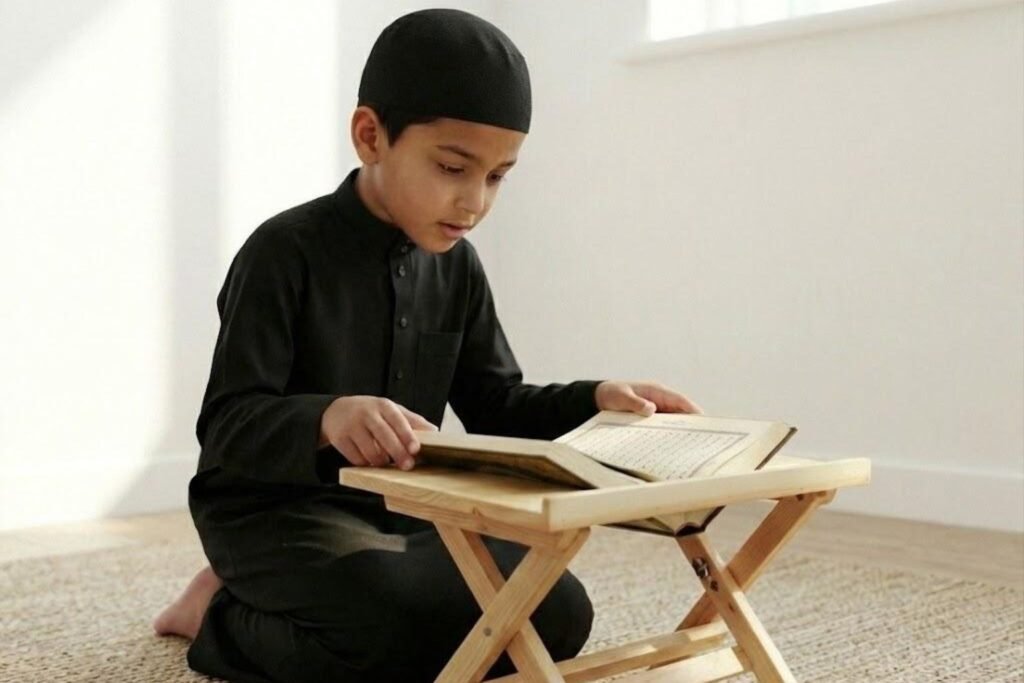
Introducing children to the Holy Quran is a valuable part of their Islamic education. A positive and encouraging environment can help them enjoy learning, build confidence, and develop a lasting relationship with the Quran.
1. Begin with Simple Lessons
Start with age-appropriate activities, Arabic letters, and basic Quran reading. Short lessons can help children remain focused without feeling overwhelmed.
2. Create a Daily Learning Routine
Set aside a consistent time for Quran practice. Even a short daily session can help children become familiar with regular learning and revision.
3. Encourage Rather Than Pressure
Celebrate effort and progress. Patient guidance and positive feedback can motivate children to continue learning when they find a lesson challenging.
4. Make Learning Interactive
Use repetition, listening exercises, and simple questions to keep lessons engaging. Encourage children to practice what they have learned with their teacher.
5. Choose a Supportive Quran Teacher
A patient teacher who understands a child’s learning pace can make a significant difference. Children benefit from clear explanations, encouragement, and regular feedback.
6. Let Children See Good Examples
When parents make time for Quran reading and show respect for its teachings, children can learn the importance of the Quran through everyday family life.
Helping children love the Quran takes patience, consistency, and encouragement. With family support and suitable instruction, children can gradually build their reading skills and strengthen their connection with Islamic learning.
Al Noor Quran Academy welcomes families seeking supportive online Quran learning for their children.